
Can Mindfulness Reduce Symptoms of Depression Without Medication Alone?
Depression can affect every part of daily life, from your thoughts and emotions to your energy levels and relationships. Although medication is an important part of treatment for many people, others may be looking for additional ways to manage their symptoms or may not be able to take medication. This is why approaches like mindfulness therapy for depression are gaining attention. By helping people become more aware of their thoughts, emotions, and physical sensations without reacting to them, mindfulness can support emotional well-being and build healthier coping skills. When combined with professional therapy, it can play a valuable role in managing depression and promoting long-term recovery.
Can Mindfulness Therapy Reduce Depression Without Medication Alone?
The short answer is yes—for some people.
Research shows that depression treatment with mindfulness can significantly reduce symptoms of mild to moderate depression and help prevent relapse. However, whether mindfulness alone is enough depends on several factors, including:
- The severity of depression
- Previous episodes of depression
- Individual coping skills
- Access to professional mental health support
For people with severe or recurrent depression, mindfulness is often most effective when combined with psychotherapy and, if recommended by a mental health professional, medication.
Rather than replacing medical treatment in every case, mindfulness serves as a powerful tool that complements evidence-based care.
How Does Mindfulness Help Manage Depression Naturally?
Many people searching for managing depression naturally want practical strategies they can use daily. Mindfulness helps because it changes how the brain responds to emotional distress instead of trying to eliminate difficult emotions.
Regular mindfulness practice may help:
- Reduce rumination and overthinking
- Improve emotional regulation
- Lower stress hormones
- Increase self-awareness
- Improve sleep quality
- Reduce anxiety alongside depression
- Enhance overall emotional resilience
These benefits make mindfulness an important part of long-term recovery for many individuals.
How to Use Mindfulness to Manage the Physical Symptoms of Depression
Depression affects more than emotions. Many people also experience physical symptoms such as:
- Constant fatigue
- Muscle tension
- Headaches
- Changes in appetite
- Poor sleep
- Low energy
- Body aches
Practising mindfulness meditation for emotional healing can help reduce physical stress responses by encouraging relaxation and awareness of bodily sensations.
Simple exercises include:
Body Scan Meditation
Slowly bring attention to each part of your body, noticing areas of tension without trying to change them.
Mindful Breathing
Spend five minutes focusing only on your breathing whenever stress or sadness increases.
Gentle Mindful Walking
Pay attention to each step, your surroundings, and your breathing instead of dwelling on negative thoughts.
These exercises help calm the nervous system while improving emotional balance.
How Many Minutes of Mindfulness a Day Are Needed for Depression?
There is no single perfect number, but consistency matters more than duration.
Many mental health professionals recommend:
- Beginners: 5–10 minutes daily
- Regular practice: 15–20 minutes daily
- Experienced practitioners: 20–30 minutes daily
Even short daily sessions can gradually improve mood and emotional awareness when practised consistently.
The goal is to build a sustainable habit rather than aiming for long meditation sessions immediately.
What Is the Difference Between Standard Meditation and Clinical Mindfulness Therapy?
Although people often use the terms interchangeably, they are not the same.
| Standard Meditation | Clinical Mindfulness Therapy |
| Focuses on relaxation or spiritual practice | Uses evidence-based psychological techniques |
| Often self-guided | Conducted by trained mental health professionals |
| General stress reduction | Specifically targets depression, anxiety, and emotional difficulties |
| Flexible structure | Structured therapeutic sessions |
Clinical mindfulness therapy combines mindfulness exercises with psychological interventions that address depressive thinking patterns.
How Do You Practice Mindfulness When Your Mind Is Racing With Depression?
One common misconception is that mindfulness requires an empty mind.
In reality, mindfulness teaches people to notice thoughts without becoming overwhelmed by them.
When your mind feels busy:
- Focus on slow breathing.
- Label thoughts without judging them.
- Bring attention back to your breath each time your mind wanders.
- Observe emotions instead of fighting them.
- Practise self-compassion rather than self-criticism.
Over time, this process reduces the emotional power of negative thinking.
Can Mindfulness Safely Treat Major Depressive Disorder Without Medication Alone?
For individuals with mild depression, mindfulness-based interventions may be sufficient when supervised by a qualified mental health professional.
However, people experiencing:
- Major Depressive Disorder
- Severe suicidal thoughts
- Psychotic symptoms
- Extreme functional impairment
should seek immediate professional evaluation.
In these situations, mindfulness should support—not replace—comprehensive treatment. A psychologist or psychiatrist can recommend the safest and most effective treatment plan based on individual needs.
Why Is Online Therapy Helpful for Mindfulness-Based Depression Treatment?
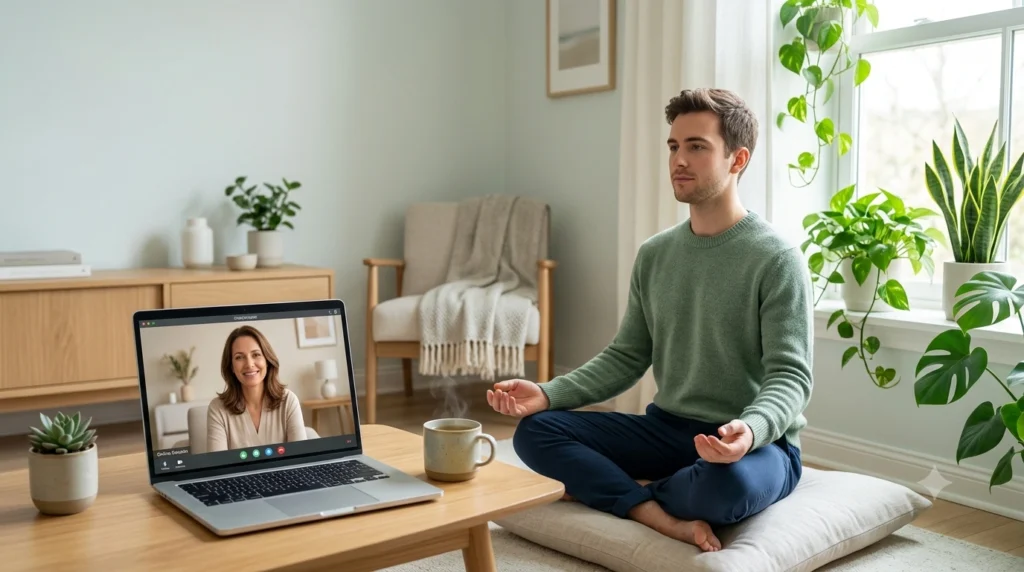
Today, many individuals choose online therapy for depression because it offers convenient access to qualified mental health professionals from home.
Benefits include:
- Flexible appointment scheduling
- Greater privacy and comfort
- Consistent therapeutic support
- Guided mindfulness exercises
- Personalised coping strategies
- Easier access for people living in remote areas
Working with a therapist ensures mindfulness techniques are applied correctly and adapted to individual circumstances.
If you’re looking to connect with an online therapist in India, professional counselling platforms such as TalktoAngel provide access to experienced psychologists who can guide you through evidence-based mindfulness interventions and personalised treatment plans.
Practical Daily Mindfulness Habits That Support Depression Recovery
Small habits often produce meaningful long-term improvements.
Try incorporating these practices into your routine:
- Begin the day with five minutes of mindful breathing.
- Take short mindful breaks between work tasks.
- Practise gratitude by writing three positive experiences each evening.
- Limit distractions while eating and focus on the present moment.
- Spend a few minutes observing your thoughts before bedtime.
- Stay physically active while paying attention to your body’s movements.
- Maintain regular sleep and meal schedules.
These habits complement professional therapy and support emotional stability over time.
Frequently Asked Questions
Can mindfulness therapy help reduce overthinking caused by depression?
Yes. Mindfulness therapy helps individuals become aware of repetitive negative thoughts without becoming overwhelmed by them. Over time, this can reduce overthinking and improve emotional balance.
Is mindfulness therapy suitable for teenagers with depression?
Mindfulness therapy can be beneficial for teenagers when guided by a qualified mental health professional. It helps improve emotional regulation, concentration, and coping skills.
Can mindfulness therapy improve sleep problems linked to depression?
Many people find that mindfulness techniques promote relaxation, reduce mental stress, and improve sleep quality, which may help ease depression-related sleep disturbances.
How often should I practice mindfulness to see improvements in depression symptoms?
Practicing mindfulness for 10–20 minutes daily, along with regular therapy sessions, can help build consistency and support gradual improvements in emotional well-being.
Conclusion
Mindfulness therapy offers a scientifically supported, practical approach for improving emotional well-being and reducing depressive symptoms. While it may help some individuals explore depression treatment without medication, it is not a universal replacement for medical care. The most effective approach depends on the severity of symptoms and individual needs. If you’re looking to discover Effective Online Therapy Approaches for Depression, working with a qualified mental health professional can help you find the treatment plan that best supports your recovery and long-term emotional well-being.
When combined with professional guidance, depression treatment with mindfulness can become an essential part of managing depression naturally, helping individuals build healthier coping strategies, reduce emotional distress, and improve their quality of life. If you’re ready to take the next step, connect with an online therapist in India through TalktoAngel to receive personalised support and begin your journey toward lasting emotional wellness.