
Struggling With Trauma Recovery? How Art Therapy Supports Emotional Healing
Trauma often stays in the mind and body long after the event has passed. It can show up as flashbacks, emotional numbness, anxiety, or unexplained physical stress reactions. Many individuals find it difficult to put their experiences into words, which makes traditional talk therapy feel incomplete at times. This is where art therapy offers a different pathway—one that allows healing through creativity rather than conversation alone.
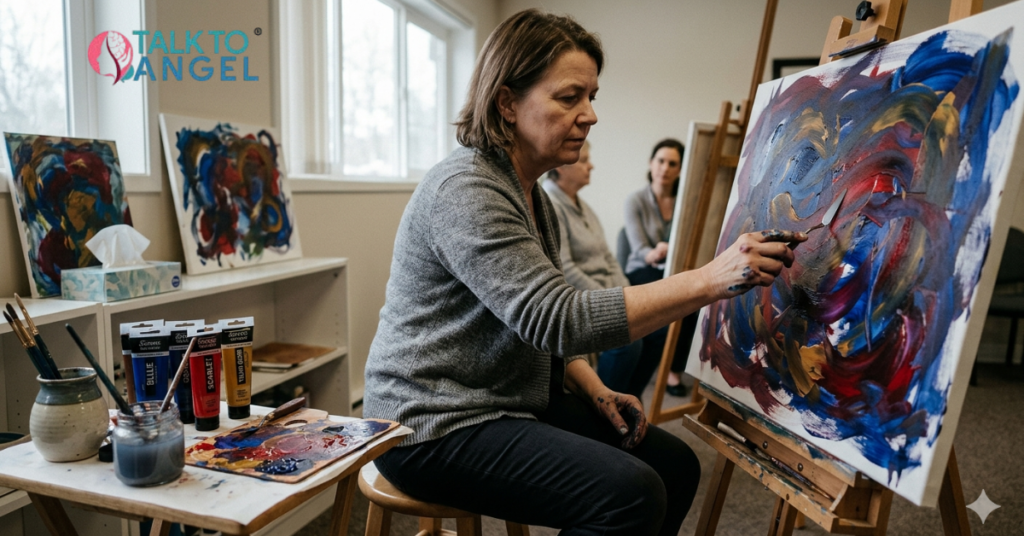
Art therapy for trauma provides a safe, nonverbal outlet for expressing emotions through drawing, painting, sculpting, or other creative processes. It helps individuals access feelings that may be too overwhelming or hidden beneath the surface. Over time, this creative healing process can gently support emotional regulation, reduce distress, and rebuild a sense of internal safety.
How Does Art Therapy Help with Trauma Recovery?
Art therapy for trauma works by engaging both the emotional and sensory parts of the brain. Trauma often disrupts the brain’s ability to process memories in a structured way. Instead, experiences may remain stored as fragmented sensations, images, or emotional reactions.
Through expressive arts therapy, individuals can externalize these internal experiences. Creating visual representations allows the mind to organize what feels chaotic inside. This process reduces emotional intensity and helps build a sense of control.
Art therapy techniques for beginners often include simple activities such as free drawing, color-mapping emotions, or creating “safe place” imagery. These techniques do not require artistic skill—only willingness to express.
What Art Activities Help With Flashbacks and Triggers?
Flashbacks and triggers can feel overwhelming because they bring the body back into a past traumatic state. Therapeutic art activities help ground the individual in the present moment while giving the emotions a safe outlet.
Some commonly used activities include:
- Drawing or painting the feeling of a trigger instead of describing it
- Creating a visual “container” for distressing memories
- Using colors to represent shifting emotional states
- Collage-making to rebuild fragmented memories in a controlled way
- Clay modeling to physically release tension and anxiety
These activities allow emotional processing without re-exposure to verbal detail, which can sometimes intensify distress.
Managing triggers through creativity gradually strengthens emotional resilience. The brain begins to associate distressing memories with safety rather than fear.
How Does the Brain Process Trauma Through Creative Expression?
Trauma affects areas of the brain responsible for memory, emotion regulation, and survival response. When someone engages in expressive arts therapy, different neural pathways become active.
Instead of relying only on language centers, the brain uses sensory and visual processing areas. This helps integrate traumatic memories in a less threatening way. Over time, this integration supports emotional balance and reduces the intensity of trauma responses.
Creative healing process also stimulates the release of dopamine and reduces cortisol levels, which helps calm the nervous system. This is why many individuals feel a sense of relief or grounding after art-based sessions.
Can Art Therapy Replace Talk Therapy in Trauma Recovery?
Art therapy does not always replace talk therapy but often complements it. For many individuals, especially those with deep or complex trauma, combining both approaches works best.
While talk therapy helps with understanding thoughts and behaviors, art therapy for trauma focuses on emotional expression and regulation. Together, they create a more complete healing process.
For individuals who struggle to verbally describe their experiences, art therapy can serve as a bridge, making it easier to eventually express thoughts in words if needed.
How Can Beginners Start Using Art Therapy Techniques?
Art therapy techniques for beginners do not require any artistic background. The focus is not on the quality of the artwork but on emotional expression.
Simple ways to begin include:
- Doodling freely without judgment
- Journaling with sketches instead of words
- Using colors to express mood changes
- Creating daily “emotion maps.”
- Drawing before and after stressful moments
The goal is consistency, not perfection. Even 10–15 minutes of creative expression can support emotional processing over time.
Where Can You Find an Art Therapist for Trauma Support?
Finding the right professional support is important when working through trauma. If you are looking for an art therapist for trauma, platforms like TalktoAngel provide access to trained mental health professionals who specialize in expressive therapies and trauma-informed care.
TalktoAngel focuses on online counselling, making it easier for individuals to access therapy from the comfort and privacy of their homes. This can be especially helpful for those who find in-person sessions overwhelming.
Support is also available through Delhi’s top mental health clinics, such as the Psychowellness Center, which offers structured psychological care. However, the most important factor is choosing a therapist who understands trauma-sensitive approaches and creative therapeutic techniques.
Why Is Emotional Healing Through Art Therapy So Effective?
Healing emotional wounds with art therapy works because it bypasses resistance. Trauma often creates protective barriers in the mind that make direct discussion difficult. Creative expression gently lowers these barriers.
Instead of forcing memories into words, individuals allow emotions to surface naturally through imagery and symbolism. This reduces internal pressure and creates space for reflection and understanding.
Over time, individuals often report:
- Reduced emotional reactivity
- Improved self-awareness
- Better stress management
- Increased sense of emotional safety
- Fewer intensity of trauma triggers
Can Creative Healing Become Part of Everyday Life?
Yes. One of the strengths of expressive arts therapy is that it can be integrated into daily routines. You do not need formal sessions every day to benefit from creative healing.
Simple practices like sketching before sleep, using color journals, or creating visual gratitude pages can support ongoing emotional balance. Over time, these habits strengthen resilience and help prevent emotional overwhelm.
Final Thoughts
Art therapy for trauma offers a powerful, non-verbal pathway for emotional healing. Feeling stuck in past traumas? It helps individuals process experiences that are difficult to explain, supports nervous system regulation, and builds long-term emotional resilience.
Whether used alone or alongside talk therapy, the creative healing process provides a safe space to explore pain, reduce triggers, and rebuild inner stability. With accessible platforms like TalktoAngel offering professional guidance, support is more reachable than ever for those seeking recovery through expressive arts therapy.