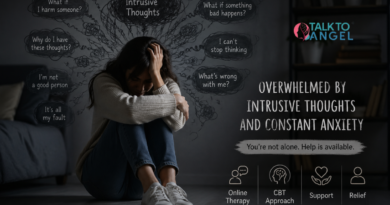

Healing from OCD in the Digital Age: How Online Therapy Supports Recovery
Obsessive-compulsive disorder (OCD) is a complicated mental illness that can have a big influence on day-to-day functioning. Individuals with OCD often experience intrusive thoughts and feel compelled to perform repetitive behaviours to ease anxiety. Work, relationships, and general well-being may be hampered by these tendencies. Fortunately, in today’s digital age, access to effective treatment has expanded, making recovery more achievable than ever. Online therapy for obsessive-compulsive disorder has emerged as a crucial resource for individuals seeking support, guidance, and long-term strategies to manage their symptoms.
Understanding Obsessive-Compulsive Disorder
Obsessive-compulsive disorder (OCD) is characterised by recurring obsessions—unwanted, distressing thoughts, images, or urges—and compulsions, repetitive behaviours or mental acts performed to reduce anxiety. Symptoms vary widely, from excessive handwashing and checking behaviours to persistent mental rituals. Some common obsessive-compulsive disorder symptoms include:
- Persistent doubts or fears about safety or harm
- Excessive cleaning, washing, or checking
- Repeating certain actions or phrases to relieve distress
- Hoarding or difficulty discarding items
- Intrusive and disturbing thoughts
While obsessive-compulsive disorder can affect anyone, it often develops in late adolescence or early adulthood. Without proper treatment, symptoms may worsen over time, leading to increased anxiety, depression, and impairment in daily functioning.
What Causes OCD to Get Worse?
Obsessive-compulsive disorder symptoms can deteriorate due to several factors, especially when individuals are unaware of the common causes OCD to get worse. High levels of stress, major life changes, or untreated anxiety disorders can intensify obsessions and compulsions. Additionally, inconsistent treatment, lack of social support, or delaying help can make recovery more challenging. For some, relying solely on medication without therapeutic intervention may not fully address the cognitive and behavioural patterns maintaining obsessive-compulsive disorder.
The Role of OCD Therapy Treatment
Effective OCD therapy treatment typically involves a combination of approaches, including cognitive-behavioural therapy (CBT), exposure and response prevention (ERP), and, in some cases, medication. Cognitive-behavioural therapy focuses on identifying and challenging obsessive thoughts, while ERP gradually exposes individuals to anxiety-provoking situations to reduce compulsive behaviours.
Obsessive-compulsive disorder therapy treatment also emphasises building coping strategies, improving stress management, and fostering healthier thought patterns. When combined with appropriate medications, such as selective serotonin reuptake inhibitors (SSRIs), treatment can significantly reduce symptom severity and improve quality of life.
The Rise of Online Therapy for OCD
The digital age has transformed mental health care, making it more accessible and flexible. Online therapy for OCD provides individuals with a convenient platform to receive expert guidance from the comfort of their homes. Platforms like TalktoAngel connect users with the best online therapists in India, offering personalised treatment plans tailored to each person’s needs.
Online psychologists specialise in obsessive-compulsive disorder management and can deliver evidence-based therapies, including CBT and ERP, through secure video sessions. This approach is especially beneficial for individuals who face barriers such as geographical distance, mobility issues, or social anxiety, which may make attending in-person therapy challenging.
Benefits of Online Counselling for OCD
Online Counselling for OCD offers several advantages for those seeking obsessive-compulsive disorder treatment:
- Accessibility: Patients can connect with highly qualified online psychologists and the best counsellors in Delhi, or anywhere in India, without the need to travel long distances.
- Flexibility: Sessions can be scheduled around personal and professional commitments, making it easier to maintain consistency in treatment.
- Privacy: Online therapy provides a safe and confidential environment, encouraging open discussions about intrusive thoughts and compulsions.
- Continuity of Care: Even during circumstances like relocation, travel, or health restrictions, individuals can continue therapy without interruption.
- Affordability: Many online platforms offer cost-effective packages, making OCD therapy more accessible to a broader population.
Choosing the Best Online Counselling Platform
Selecting the right platform is crucial for effective treatment. TalktoAngel has emerged as one of the best online counselling platforms in India, connecting patients with experienced therapists and psychologists online who specialise in OCD and other mental health concerns. The platform ensures confidentiality, professional expertise, and personalised care, allowing individuals to progress at their own pace.
Similarly, clinics like Psychowellness Center, recognised as the best mental health wellness clinic in Delhi, provide comprehensive support through both in-person and online counselling options. Their approach integrates therapy, counselling, and guidance on medication management for OCD, ensuring a holistic treatment experience.
Medication and OCD Management
For some individuals, obsessive-compulsive disorder medication may be necessary alongside therapy. SSRIs, commonly prescribed for OCD, can help reduce the intensity of obsessive thoughts and compulsions. Medication should always be monitored by a qualified psychiatrist in India who can tailor dosages and adjust treatment as symptoms evolve.
It is important to remember that medication alone may not fully address OCD. Combining medication with structured obsessive-compulsive disorder treatment significantly enhances recovery outcomes and promotes long-term management of symptoms.
Creating a Supportive Environment for Recovery
Recovery from obsessive-compulsive disorder extends beyond therapy sessions. Building a supportive environment, whether online or offline, is essential. Family members and friends can play a pivotal role by understanding the disorder, encouraging therapy adherence, and offering empathy without judgment.
Online therapy platforms like TalktoAngel also provide resources and guidance for loved ones, helping them understand obsessive-compulsive disorder and contribute positively to the patient’s recovery journey. Group counselling sessions or community support forums can further reinforce progress by connecting individuals facing similar challenges.
The Future of OCD Therapy in the Digital Age
The integration of technology into mental health care has revolutionised OCD treatment. Teletherapy, virtual support groups, and online counselling have made professional guidance more reachable than ever before. As digital platforms continue to evolve, patients can expect even more personalised and interactive therapy experiences, including AI-assisted progress tracking, virtual reality exposure therapy, and real-time monitoring of symptoms.
Online psychologists in India are increasingly leveraging these tools to enhance treatment efficacy and patient engagement. This innovation ensures that individuals struggling with OCD no longer have to wait for severe symptoms to seek help—they can access support early and proactively manage their condition.
Conclusion
Obsessive-compulsive disorder is a challenging mental health condition, but recovery is possible with the right support. OCD therapy treatment, including CBT, ERP, and medication, forms the foundation of effective management. Online therapy for OCD in Delhi has transformed access to care, connecting patients with experienced online psychologists and counsellors. Platforms like TalktoAngel and Psychowellness Center exemplify how technology can support recovery by offering flexible, confidential, and expert-guided treatment.
For anyone struggling with OCD, reaching out for help through online counselling is a step toward regaining control, reducing distressing symptoms, and achieving a better quality of life. In the digital age, healing is not just possible—it’s accessible, personalised, and empowering.