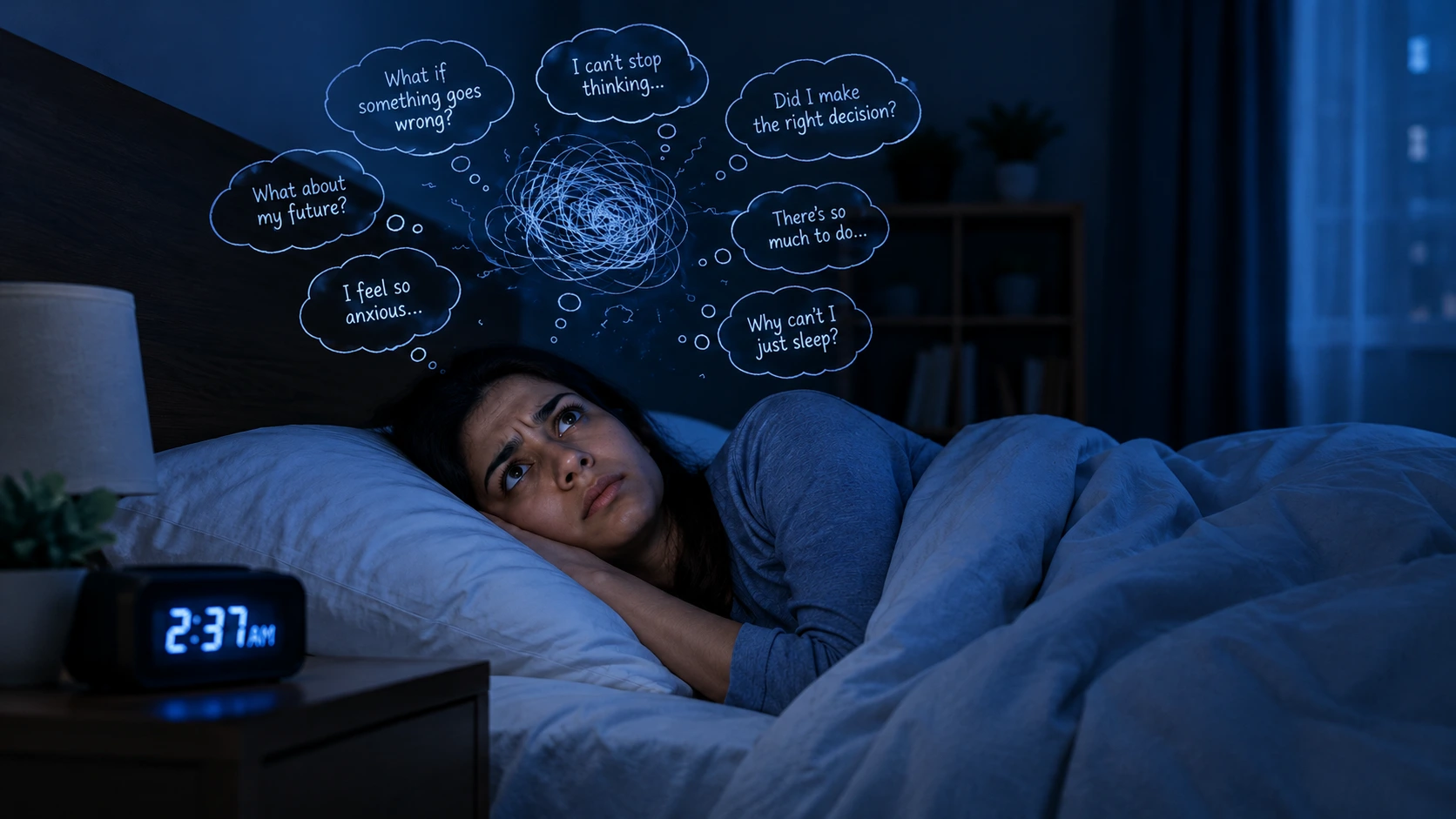

You’ve tried the deep breathing. You’ve tried the vacation, the yoga class, the “just relax” advice from well-meaning friends. And yet the tight chest, the racing thoughts at 2 a.m., and that constant low hum of unease refuse to leave. If this sounds familiar, you’re not imagining things — and you’re definitely not alone. Chronic stress behaves very differently from the everyday pressure of a busy week, and it usually needs more than willpower to resolve. Here’s why it lingers, what it’s doing to your body, and how therapy can actually help you reset.
Why Won’t My Stress Go Away No Matter What I Try?
If self-help tricks aren’t working, it’s rarely because you’re doing them wrong. It’s usually because the stress itself has stopped being a temporary reaction and has become your default setting.
A few common reasons stick around:
- Your nervous system has adapted to a “high alert” baseline. Once your body gets used to running on worry hormones, it starts treating that state as normal.
- The root cause hasn’t been addressed. Breathing exercises can calm a moment, but they can’t resolve a toxic job, an unresolved conflict, or old trauma sitting underneath.
- You’re managing symptoms, not the source. Apps and lifestyle tweaks help, but they work best alongside therapy, not instead of it.
- Unprocessed emotions keep resurfacing. Suppressed feelings don’t disappear; they show up as physical tension, irritability, or fatigue.
This is exactly where online therapy for stress management becomes valuable — it gives you a structured, guided way to work through the cause instead of just managing the symptoms.
What’s the Difference Between Normal Stress and Chronic Stress?
Not all stress is bad. In small doses, it sharpens focus and pushes you to meet deadlines. The problem starts when the “off switch” stops working.
| Normal Stress | Chronic Stress |
|---|---|
| Short-term, tied to a specific event | Ongoing, often without a clear trigger |
| Fades once the situation resolves | Persists for weeks or months |
| Improves with rest | Rest doesn’t fully help |
| Sharpens performance temporarily | Gradually impairs focus, sleep, and mood |
If your worry has outlasted the situation that caused it, that’s the first sign you’re dealing with something more chronic — and a good moment to start thinking about how to reduce chronic stress naturally before it escalates further.
What Happens to Your Body When Stress Never Switches Off?
This is the part most people underestimate. Chronic stress isn’t just “in your head” — it has measurable, physical consequences.
When worry hormones like cortisol stay elevated too long, they wear down systems only designed for short bursts of activation. Common long-term stress effects on body function include:
- Sleep disruption — trouble falling or staying asleep, even when exhausted
- Digestive issues — bloating, appetite changes, or a nervous stomach
- Weakened immunity — getting sick more often or healing more slowly
- Muscle tension and headaches — especially in the jaw, neck, and shoulders
- Cardiovascular strain — elevated blood pressure and heart rate over time
- Mood changes — increased anxiety, irritability, or a flattened, numb feeling
None of these symptoms is a sign of weakness. They’re your body’s honest feedback that its tension response has been running too long without recovery.
How Does Trauma Contribute to Stress That Won’t Fade?
Sometimes stress that “won’t budge” isn’t really about today’s problems at all — it’s an old alarm system still firing.
Past trauma, whether from childhood, a relationship, or a difficult life event, can leave the nervous system stuck in a protective loop. Even small, everyday triggers can reactivate that old response, making current tension feel far bigger than the situation warrants.
This is why generic stress coping mechanisms — a to-do list app, a breathing exercise — sometimes fall flat for people with a trauma history. The tension isn’t only situational; it’s stored. A therapist who understands trauma can help separate what’s happening now from what your body is still reacting to from before.
How Do You Know When It’s Time to See a Therapist for Stress?
There’s no single “bad enough” threshold you need to hit before therapy becomes worthwhile. A few signs suggest it’s time to stop managing it alone:
- Stress is affecting your sleep, appetite, or energy most days
- You feel constantly on edge, even during calm moments
- Relationships or work performance are starting to suffer
- You’ve tried self-help strategies consistently, but nothing sticks
- You feel disconnected from things you used to enjoy
If two or more of these sound familiar, that’s a reasonable signal to reach out. Cognitive behavioral therapy (CBT) and mindfulness-based stress reduction (MBSR) are two of the most well-researched, effective approaches for exactly this kind of persistent stress.
What Makes CBT and MBSR Effective for Stress?
- CBT helps identify and reshape the thought patterns that keep the tension cycle spinning — like catastrophic thinking or all-or-nothing expectations.
- MBSR trains you to notice tension as it’s building, using structured mindfulness practices, so you can respond instead of react.
Used together or separately, depending on what fits you, both approaches build skills that outlast the therapy sessions themselves.
What Does Nervous System Regulation Have to Do With Stress Relief?
This is the piece most stress advice skips entirely. You can’t think your way out of a dysregulated nervous system — you have to help your body feel safe again.
Nervous system regulation teaches your body that the threat has passed, even when your mind already knows that logically. Therapy techniques that support this include:
- Grounding exercises that bring attention back to the present moment
- Guided breathwork paced specifically to calm the vagus nerve
- Somatic techniques that release stored physical tension
- Gradual exposure to tension triggers in a safe, supported way
This is often the missing link between knowing what to do and actually feeling calmer — and it’s a core part of how a trained therapist can help you fix chronic stress with therapy rather than just manage it day to day.
How to Reduce Chronic Stress Naturally, Alongside Therapy
Therapy works best when it’s supported by daily habits that reinforce nervous system regulation:
- Prioritise consistent sleep over “catching up” on weekends
- Move your body daily — even a 15-minute walk counts
- Limit stimulants like excess caffeine, especially later in the day
- Build in real breaks, not just scrolling on a different screen
- Stay connected to people who feel safe and supportive
None of these replaces therapy, but they make the progress you build in sessions much easier to sustain.
The Bottom Line
Chronic stress doesn’t fade just because you want it to — it fades when the nervous system gets real support, the underlying causes get addressed, and you have consistent guidance along the way. That’s exactly what therapy is built for. If you’re still weighing which approach fits you best, this breakdown of CBT vs. Mindfulness Therapy for Stress: Which One Is Right for You? can help you decide where to start.
If your stress has been hanging around longer than it should, you don’t have to keep managing it alone. TalktoAngel, a leading online platform for therapy and counselling, connects you with experienced, top-rated therapists who specialise in stress, anxiety, and trauma-informed care — all from wherever you are.
Consult top-rated therapists online now with TalktoAngel and take the first real step toward lasting relief.
Frequently Asked Questions
How long does chronic stress take to go away?
There’s no fixed timeline — it depends on how long the stress response has been active and whether the root cause is being addressed. With consistent therapy, many people notice meaningful shifts in nervous system regulation within a few weeks, though full recovery is gradual and ongoing.
Can chronic stress cause physical illness?
Yes. Prolonged elevated cortisol can contribute to weakened immunity, digestive problems, high blood pressure, and chronic muscle tension. If physical symptoms have persisted alongside tension, it’s worth discussing both with a doctor and a therapist.
What’s the fastest way to calm my nervous system in the moment?
Slow, extended exhales, grounding through the five senses, and gentle movement can help in the short term. These techniques work best when practised regularly, not just during a crisis, so the nervous system learns to return to baseline more easily over time.
Do I need a diagnosis to start therapy for stress?
No. You don’t need a formal diagnosis to seek therapy — persistent stress that’s affecting your daily life, sleep, or relationships is reason enough to reach out. A therapist can help assess what’s happening and build a plan from there.