Therapy vs. Medication: Which Stress Treatment Path Is Right for You?
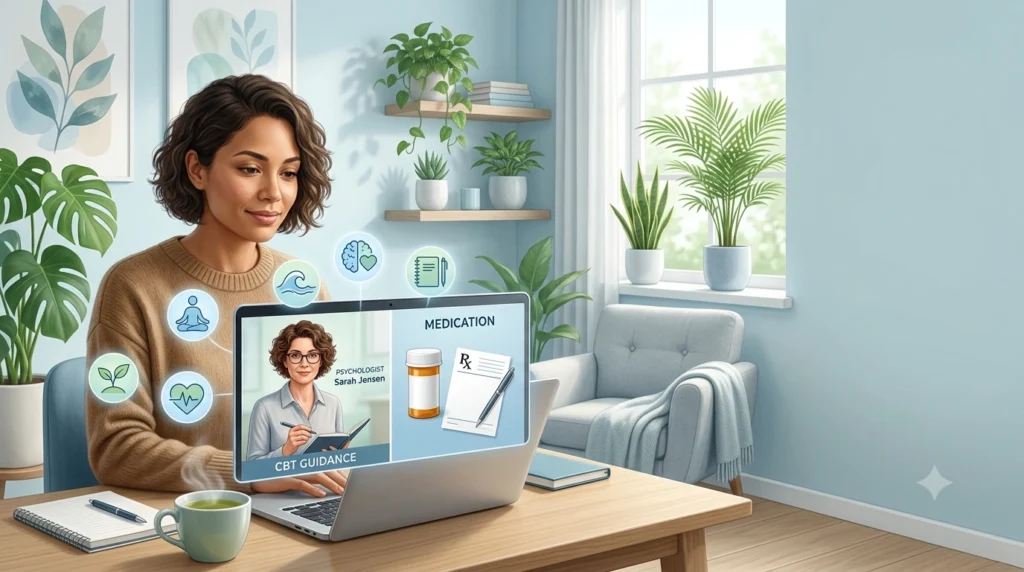
Stress has become a part of modern life, but when it starts affecting your sleep, relationships, work performance, or physical health, it needs proper attention. Many people wonder whether stress treatment should involve therapy, medication, or both. The answer depends on the severity of symptoms, underlying causes, and individual needs. Understanding the differences between these stress treatment options can help you make an informed decision and start your journey toward better mental well-being.
What Is the Difference Between Therapy and Medication for Stress?
Both therapy and medication can reduce stress, but they work in very different ways.
Therapy for Stress Management
Therapy for stress management focuses on identifying the root causes of stress and teaching practical coping skills. Instead of simply reducing symptoms, therapy helps people build healthier thinking patterns and long-term resilience.
Common therapeutic approaches include:
- Cognitive behavioral therapy
- Mindfulness-based therapy
- Relaxation training
- Stress management coaching
- Acceptance and Commitment Therapy (ACT)
Therapy equips individuals with skills they can continue using long after treatment ends.
Medication for Stress Treatment
Medication primarily targets the symptoms associated with stress, such as anxiety, sleep disturbances, or depression. A psychiatrist may prescribe medication when stress becomes severe or significantly affects daily functioning.
Common medications may include:
- Anti-anxiety medications
- Antidepressants
- Sleep medications (for short-term use)
Medication can provide relief, but it generally works best when combined with psychological support rather than used as the only solution.
How Do You Know Whether Therapy or Medication Is Right for You?
The right treatment depends on your symptoms, lifestyle, medical history, and personal preferences.
Therapy may be the right choice if you:
- Experience ongoing work or relationship stress
- Want long-term coping strategies
- Notice recurring negative thought patterns
- Prefer non-medication approaches
- Want to improve emotional regulation
Therapy helps address the underlying causes instead of only managing symptoms.
Medication may be appropriate if:
- Stress causes severe anxiety or panic attacks
- Depression accompanies chronic stress
- Symptoms interfere with eating, sleeping, or daily activities
- Therapy alone has not provided enough improvement
In many situations, mental health professionals recommend combining therapy and medication for the best outcomes.
What Are the Benefits of Therapy Compared to Stress Medication?
While medication offers symptom relief, therapy provides lifelong skills that continue to benefit individuals even after sessions end.
Some major advantages of therapy include:
- Addresses the root cause of stress
- Improves problem-solving skills
- Builds healthier relationships
- Enhances self-awareness
- Strengthens resilience
- Encourages healthier habits
- Improves communication
- Develops effective coping strategies
Unlike medication, therapy teaches practical tools that remain useful in future stressful situations.
Can Therapy Alone Effectively Treat Chronic Stress?
Yes, many individuals successfully manage chronic stress through therapy alone, particularly when symptoms are mild to moderate.
One of the most researched approaches is cognitive behavioral therapy for stress. CBT helps individuals identify unhealthy thinking patterns and replace them with healthier responses.
For example:
Instead of thinking:
“I’ll never finish all this work.”
CBT helps reframe it into:
“I’ll prioritize my tasks and complete them one step at a time.”
Over time, these healthier thought patterns reduce stress and improve overall emotional well-being.
However, if chronic stress is accompanied by severe anxiety, depression, or other mental health conditions, medication may also be recommended by a psychiatrist.
How Does Cognitive Behavioral Therapy Help Reduce Stress?
Cognitive behavioral therapy for stress is considered one of the most effective evidence-based treatments.
It helps individuals:
- Identify stress triggers
- Challenge negative thinking
- Improve decision-making
- Reduce avoidance behaviors
- Develop healthy coping habits
- Build confidence in handling future challenges
Rather than eliminating stress, CBT teaches you how to respond more effectively when stressful situations arise.
Can Mindfulness Techniques Help Manage Everyday Stress?
Absolutely. Mindfulness techniques are frequently included in therapy because they improve awareness and reduce emotional reactivity.
Some effective practices include:
- Deep breathing exercises
- Guided meditation
- Progressive muscle relaxation
- Mindful walking
- Body scan meditation
- Gratitude journaling
Even spending 10–15 minutes daily practicing mindfulness can lower stress levels and improve focus.
Why Is Emotional Regulation Important During Stress Treatment?
Many people struggle with stress because they find it difficult to manage intense emotions.
Improving emotional regulation helps individuals:
- Respond calmly during conflict
- Reduce impulsive reactions
- Improve communication
- Strengthen relationships
- Increase confidence under pressure
Therapists teach emotional regulation through structured exercises, reflection, and practical coping strategies that can be applied in everyday life.
When Should You Seek Professional Help for Stress Treatment?
Occasional stress is normal. However, professional support is recommended when stress:
- Lasts for several weeks or months
- Affects work or academic performance
- Causes frequent headaches or fatigue
- Disrupts sleep
- Leads to anxiety or depression
- Creates relationship conflicts
- Makes daily responsibilities difficult
Seeking support early often prevents symptoms from worsening.
How Can Online Therapy Make Stress Treatment More Accessible?
Online counselling has made professional mental health support easier than ever.
Benefits include:
- Flexible appointment scheduling
- Greater privacy and comfort
- Access from home
- Reduced travel time
- Continued support regardless of location
If your schedule makes in-person visits difficult, you can book a stress therapy session online and receive professional guidance from qualified psychologists without leaving your home.
Why Choose TalktoAngel for Stress Treatment?
When looking for reliable mental health care, TalktoAngel, the best platform for mental health support, connects individuals with experienced psychologists who provide personalized care for stress, anxiety, depression, and emotional well-being.
Through evidence-based therapies, including CBT and mindfulness-based interventions, professionals help clients understand their stress triggers, develop healthier coping mechanisms, and improve overall quality of life.
If stress has started affecting your daily life, relationships, or productivity, now is the right time to consult a psychologist for stress treatment and begin building healthier coping strategies with professional guidance.
Conclusion
Choosing between therapy and medication isn’t about finding one “better” option—it’s about selecting the approach that best fits your unique needs. If you’re wondering, How Can Therapies Help Overcome Stress?, the answer lies in their ability to address the root causes of stress, strengthen emotional regulation, and build long-term coping skills. While medication can provide valuable symptom relief, therapy for stress treatment offers practical strategies that improve resilience and support lasting mental well-being. In many cases, a combination of both treatments delivers the most effective results.
The earlier you seek stress treatment, the easier it becomes to regain balance and prevent stress from affecting your mental and physical health. If you’re ready to take the next step, book a stress treatment session online with TalktoAngel and consult a psychologist today to start your journey toward lasting well-being.
Frequently Asked Questions
Is therapy more effective than medication for stress?
Therapy is often recommended for long-term stress treatment because it teaches coping strategies, while medication may help reduce symptoms more quickly in some cases.
Can stress be treated without medication?
Yes. Many people successfully manage stress through therapy, lifestyle changes, mindfulness practices, and healthy coping techniques without medication.
When should I consider medication for stress?
Medication may be recommended if stress is severe, significantly affects daily functioning, or occurs alongside conditions such as anxiety or depression. A qualified healthcare professional can determine the most appropriate treatment.
Can I combine therapy and medication for stress?
Yes. In some cases, combining therapy with medication provides the most effective treatment, especially for persistent or severe stress.