
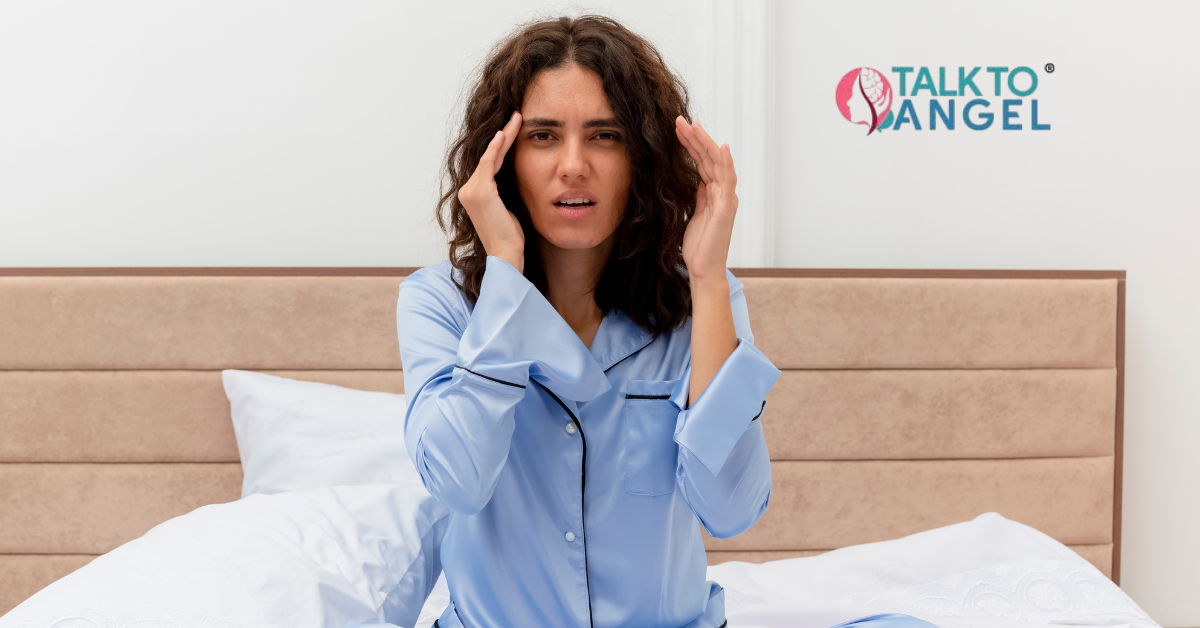
It’s 3 AM. The world is silent, yet your mind is anything but. You wake up suddenly—your heart racing, thoughts spiraling, and sleep slipping further away. If this sounds familiar, you’re not alone. Many people struggle with nighttime anxiety, a condition that disrupts rest and leaves you feeling exhausted the next day. The question is—why does this happen, and more importantly, how can you stop it? Understanding the root causes and exploring solutions like online counselling for nighttime anxiety can help you regain peaceful sleep and mental clarity.
Why Do You Keep Waking Up at 3 AM?
Waking up at 3 AM isn’t random. Your body follows a natural sleep cycle, and during the early morning hours, your sleep becomes lighter. This makes you more vulnerable to waking up—especially if your mind is under stress.
Common reasons include:
- Elevated stress or unresolved worries
- Hormonal fluctuations (like cortisol spikes)
- Poor sleep habits
- Anxiety-related sleep disturbances
When your brain is already overloaded, these factors can trigger sleep problems and disrupt your rest repeatedly.
Why Do I Wake Up at 3 AM with My Heart Racing?
If you wake up at 3 AM with your heart pounding, it’s often linked to anxiety. Your body may be entering a “fight-or-flight” response even while you’re asleep.
This can happen due to:
- Suppressed stress resurfacing at night
- Panic attacks during sleep
- Overthinking or anticipatory anxiety
- Irregular breathing patterns
This type of sleep anxiety can feel frightening, but it’s your body reacting to perceived threats—even if there’s no real danger.
What Does It Mean When You Wake Up at the Same Time Every Night?
Waking up at the same time every night is usually a sign of a conditioned pattern. Your brain starts associating that time with alertness rather than rest.
Possible causes include:
- Chronic stress cycles
- Habitual overthinking at night
- Disrupted circadian rhythm
- Lifestyle factors like late caffeine or screen exposure
Over time, this pattern reinforces nighttime anxiety, making it harder to fall back asleep.
How Does Nighttime Anxiety Affect Your Sleep?
Nighttime anxiety doesn’t just wake you up—it changes how your brain processes rest. It keeps your mind active when it should be slowing down.
Effects include:
- Difficulty falling back asleep
- Fragmented sleep cycles
- Daytime fatigue and irritability
- Reduced concentration and productivity
If left untreated, these sleep problems can impact both mental and physical health.
What Is the Role of Online Counselling for Anxiety?
Seeking help through online counselling for anxiety has become one of the most effective ways to address sleep-related concerns. It allows you to work with trained professionals from the comfort of your home.
Platforms like TalktoAngel provide access to experienced therapists who understand the link between nighttime anxiety and sleep disturbances.
Benefits include:
- Flexible scheduling
- Confidential sessions
- Access to expert guidance without travel
- Personalized strategies for better sleep
This approach is especially helpful for those who feel overwhelmed or unable to visit clinics in person.
How Does Cognitive Behavioral Therapy for Insomnia (CBT-I) Help?
Cognitive Behavioral Therapy for Insomnia (CBT-I) is one of the most recommended treatments for sleep anxiety. It focuses on identifying and changing negative thoughts and behaviors that affect sleep.
CBT-I works by:
- Replacing anxious thoughts with calming ones
- Establishing a consistent sleep routine
- Reducing behaviors that interfere with sleep
- Training your brain to associate bed with rest
Over time, this structured approach helps reduce nighttime awakenings and improve overall sleep quality.
What Are Effective Sleep Anxiety Treatment Options?
Treating sleep anxiety requires a combination of psychological and lifestyle strategies.
Some effective sleep anxiety treatment methods include:
- Therapy sessions (especially CBT-I)
- Relaxation techniques like deep breathing
- Journaling before bed to release worries
- Limiting screen time at night
Professional support from centers like Psychowellness Center can also guide individuals toward long-term recovery.
What Are the Best Sleep Hygiene Tips for Better Rest?
Improving your daily habits can significantly reduce nighttime anxiety. Good sleep hygiene tips create an environment that promotes restful sleep.
Key practices include:
- Having a consistent bedtime and wake-up time every day
- Avoiding caffeine and heavy meals before bedtime
- Keeping your bedroom dark and quiet
- Using your bed only for sleep
Consistency is essential—small changes can have a large impact over time.
Can Mindfulness Help You Sleep Better?
Yes, mindfulness for better sleep is a powerful tool. It helps calm your mind and brings your focus to the present moment instead of worrying about the future.
Simple mindfulness techniques include:
- Guided meditation before bed
- Body scan relaxation
- Slow, deep breathing exercises
- Observing thoughts without reacting to them
These practices reduce mental clutter and prepare your brain for restful sleep.
How to Talk to a Therapist About Sleep Anxiety from Home?
Starting therapy may feel intimidating, but it’s easier than you think—especially with online platforms.
Here’s how to begin:
- Be honest about your sleep struggles
- Share patterns like waking up at 3 AM
- Describe physical symptoms like a racing heart
- Discuss lifestyle habits affecting sleep
Through online counselling for nighttime anxiety, therapists can identify triggers and create a personalized plan tailored to your needs.
Why Choose TalktoAngel for Online Counselling?
If you’re looking for reliable support, TalktoAngel stands out as a trusted option. Known as one of the best online counselling platforms in India, it connects you with qualified psychologists who specialize in nighttime anxiety and sleep disorders.
With expert guidance, you can:
- Understand the root cause of your nighttime anxiety
- Learn coping strategies
- Improve your sleep patterns
- Regain control over your mental well-being
Final Thoughts
Waking up at 3 AM with anxiety can feel isolating, but it’s a common experience—and one that can be managed effectively. Whether it’s recurring thoughts, a racing heart, or disrupted sleep cycles, understanding the connection between anxiety and sleep is the first step toward healing.
With the right combination of sleep hygiene tips, mindfulness for better sleep, and professional help through online counselling for anxiety, you can break the cycle of nighttime awakenings. Remember, better sleep isn’t just about rest—it’s about restoring balance to your mind and life.