
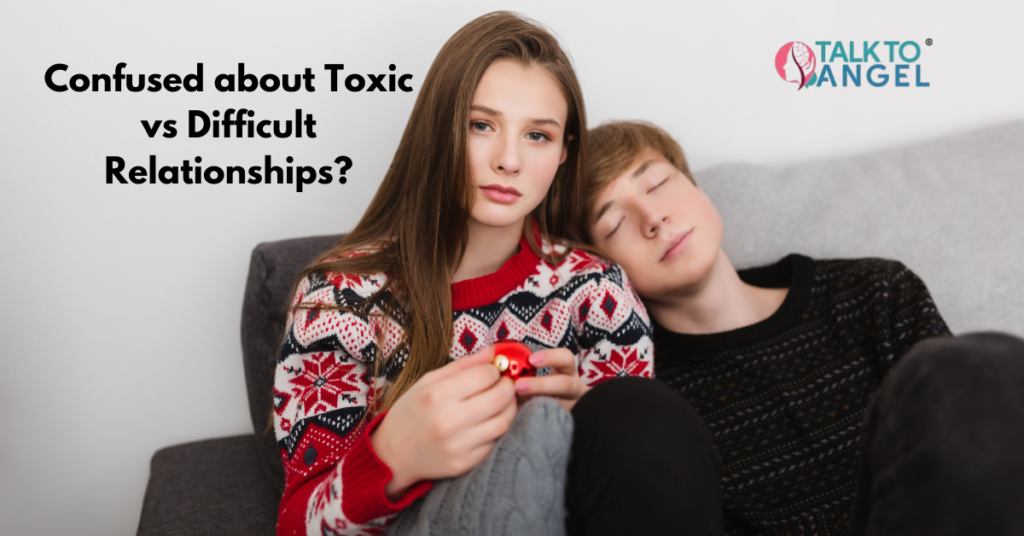
Toxic or Just Difficult Relationship? How Online Counseling Helps Teens See Difference
Teen years are messy, intense, and emotionally charged—and relationships during this phase can feel everything all at once. One day, a friendship or romantic bond feels like a haven, and the next it feels draining, confusing, or even painful. Many teens (and their parents) struggle with one big question: Is this relationship toxic, or is it just difficult? This is where online counseling helps—by giving teens a safe, non-judgmental space to express feelings, understand relationship patterns, and gain emotional clarity.
This distinction matters more than we realize. Mislabeling a challenging but healthy relationship as toxic can lead to unnecessary breakups and emotional isolation. On the other hand, ignoring real red flags can trap teens in unhealthy patterns that affect their mental health. This is where online counseling for teen relationship issues has emerged as a powerful, accessible support system—helping young people gain clarity, emotional awareness, and confidence in their relationships.
How Can Teens Tell If a Relationship Is Toxic or Just Difficult?
Not all conflict is bad. In fact, disagreements are a normal part of growing up and learning how relationships work. The key difference lies in patterns, not one-time incidents.
Toxic vs. Difficult Relationships: Understanding the Difference
A difficult relationship often includes:
- Misunderstandings due to poor communication
- Occasional anger issues or emotional outbursts
- Temporary emotional distance in relationships
- Conflicts that can be resolved with effort and honesty
In contrast, toxic relationships tend to show ongoing behaviors such as:
- Constant criticism, blame, or humiliation
- Manipulation, control, or guilt-tripping
- Feeling afraid to express emotions or opinions
- Repeated cycles of hurt without accountability
Teens often normalize toxic behaviors, especially if they lack experience or fear losing the relationship. Online counseling helps teens slow down, reflect, and recognize whether the relationship supports their growth or harms their emotional well-being.
Why Are Teens More Vulnerable to Unhealthy Relationships?
Adolescence is a period of identity formation. Teens are learning who they are, what they value, and how they want to be treated. During this stage:
- Emotional regulation skills are still developing
- Peer approval feels extremely important
- Fear of rejection or loneliness is intense
Because of this, relationship problems can feel overwhelming and deeply personal. Teens may stay in unhealthy situations believing, “This is normal” or “I’m overreacting.” Without guidance, they may struggle to identify warning signs or express boundaries.
How Online Counseling for Teens Makes a Real Difference
Online support for teens removes many barriers that prevent young people from seeking help. It is private, accessible, and feels less intimidating than traditional therapy settings.
Here’s how online counseling helps teens gain clarity:
1. A Safe, Judgment-Free Space
Teens can openly discuss anger issues, jealousy, emotional distance in relationships, or confusion without fear of being judged. Feeling heard is often the first step toward healing.
2. Learning Emotional Awareness
Counselors help teens identify emotions beneath the surface—hurt, fear, insecurity—that often show up as anger or withdrawal.
3. Building Healthy Boundaries
Through teenage relationship advice, teens learn that love and friendship should not come at the cost of self-respect or emotional safety.
4. Differentiating Red Flags from Normal Conflict
Professionals guide teens to see patterns clearly, helping them answer the critical question: How to know if a relationship is unhealthy for teens?
Common Signs Teens Explore in Online Counseling Sessions
During counseling, teens often reflect on questions like:
- Do I feel anxious or drained after interacting with this person?
- Am I allowed to say “no” without fear?
- Are my feelings respected or dismissed?
- Is there a mutual effort to resolve conflicts?
Understanding these signs empowers teens to make informed decisions rather than emotional reactions.
The Role of Professional Platforms in Teen Mental Health
When it comes to choosing the right support, credibility and experience matter. TalktoAngel, the best online counseling platform, is widely recognized for offering compassionate and confidential online counseling worldwide. It connects teens and families with experienced professionals, including some of the best psychologists in India, who specialize in adolescent mental health and relationship challenges.
TalktoAngel provides structured therapy sessions tailored to teen needs—covering anger issues, emotional regulation, self-esteem, and relationship problems. Its global reach makes it an ideal choice for families seeking trusted online counseling support for teens, regardless of location.
Similarly, the Psychowellness Center offers holistic psychological care with a strong foundation in evidence-based therapy. For those seeking in-person expertise, it is often regarded as one of the best mental health wellness clinics in Delhi, combining clinical excellence with emotional sensitivity.
How Parents Can Support Teens Without Taking Over
Parents play a crucial role—but listening matters more than lecturing. Encouraging teens to explore online counseling shows trust in their ability to grow while still offering support.
Helpful approaches include:
- Avoid dismissing teen emotions as “drama.”
- Encourage professional help instead of forcing advice
- Normalize therapy as a strength, not a weakness
When teens feel supported rather than controlled, they are more open to seeking help and making healthier choices.
Long-Term Benefits of Online Counseling for Teens
The impact of counseling goes beyond one relationship. Teens who receive the right guidance often develop:
- Strong emotional intelligence
- Healthier communication skills
- Better anger management
- Confidence in setting boundaries
These skills form the foundation for future friendships, romantic relationships, and professional interactions.
Final Thoughts: Clarity Is Power
Not every difficult relationship is toxic—but no teen should stay in a relationship that consistently harms their emotional health. Learning the difference is a life skill, and online relationship coaching for couples offers a compassionate path toward that clarity.
With trusted platforms like TalktoAngel and centers like Psychowellness Center, teens gain access to expert guidance, emotional safety, and practical tools to navigate relationships wisely. In a world where connections are increasingly digital and complex, empowering teens with the right support can make all the difference—today and for years to come.