Emotional Abuse in a Relationship: Why It Happens & How Counselling Helps
Sometimes, the deepest wounds in a relationship don’t leave visible scars. They exist quietly—in words that belittle, silence that punishes, or constant blame that makes one doubt their own worth. Emotional abuse in a relationship often begins subtly, disguised as concern, love, or “just anger.” Over time, it drains confidence, creates fear, and leaves individuals questioning their reality. Many people stay trapped not because they want to, but because they don’t recognize what’s happening or don’t know where to turn. Understanding emotional abuse is the first step toward healing—and professional relationship counselling can become the bridge back to emotional safety and self-respect.
What Is Emotional Abuse in a Relationship and Why Is It So Hard to Identify❓
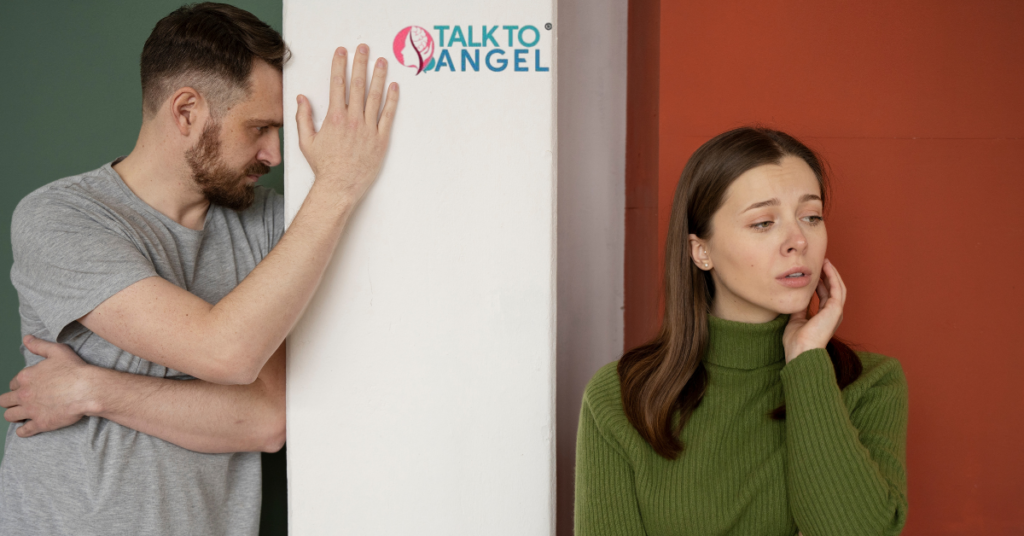
Emotional abuse in a relationship refers to repeated patterns of behavior that aim to control, manipulate, intimidate, or diminish another person’s emotional well-being. Unlike physical abuse, it does not involve visible harm, which makes it harder to identify and easier to deny.
Common forms of emotional abuse include:
- Constant criticism or humiliation
- Gaslighting (making someone doubt their reality)
- Silent treatment or emotional withdrawal
- Excessive jealousy or possessiveness
- Threats, blame, or manipulation
- Controlling behavior disguised as “care”
Because emotional abuse often develops gradually, many individuals normalize it as part of relationship problems. Over time, the victim may start believing they are “too sensitive” or “at fault,” making it even harder to seek help.
Why Does Emotional Abuse Happen in Relationships❓
Understanding why emotional abuse occurs does not excuse the behavior—but it helps explain its roots.
- Unresolved Anger Issues
Many emotionally abusive partners struggle with anger issues they never learned to manage. Instead of expressing frustration healthily, they project it onto their partner through verbal attacks or emotional punishment.
- Fear of Losing Control
Some individuals use emotional manipulation to maintain power. Control becomes their way of coping with insecurity, fear of abandonment, or past trauma.
- Learned Relationship Patterns
People who grew up witnessing unhealthy relationships may unknowingly repeat similar behaviors in adulthood, believing this is “normal love.”
- Stress and Mental Health Struggles
Chronic stress, anxiety, or unresolved emotional pain can amplify harmful behaviors, especially when communication skills are poor.
While stress or anxiety can influence reactions, emotional abuse is always a choice—and help is necessary to break the cycle.
How Does Emotional Abuse Affect Mental Health❓
The impact of emotional abuse extends far beyond arguments or temporary sadness. It deeply affects mental and emotional health.
Victims often experience:
- Persistent anxiety and fear
- Low self-esteem and self-doubt
- Depression and emotional numbness
- Difficulty trusting others
- Constant stress and hypervigilance
- Feeling isolated even within the relationship
Over time, intimacy in a relationship also suffers. Emotional closeness becomes unsafe when one partner feels judged, controlled, or invalidated. This emotional distance can create long-term relationship problems, even if the abuse later stops.
Can Emotional Abuse Exist Alongside Cheating and Infidelity❓
Yes—and very often, the two overlap.
Cheating and infidelity are not always physical. Emotional infidelity, secret conversations, or repeated betrayal of trust can also become forms of emotional abuse when paired with manipulation or blame.
Common patterns include:
- Justifying infidelity by blaming the partner
- Gaslighting after being caught
- Minimizing betrayal (“You’re overreacting”)
- Using guilt to avoid accountability
Such dynamics intensify emotional trauma and make recovery extremely difficult without professional guidance.
How Does Emotional Abuse Damage Intimacy in a Relationship❓
True intimacy thrives on safety, trust, and emotional openness. Emotional abuse destroys all three.
When one partner feels constantly judged or fearful:
- Open communication stops
- Emotional vulnerability disappears
- Physical closeness feels forced or empty
- Affection becomes conditional
As intimacy fades, couples often misinterpret the issue as “lack of love,” when in reality, emotional harm is blocking connection. This misunderstanding further deepens relationship problems.
When Should You Seek Expert Advice❓
If emotional pain feels constant rather than occasional, it’s time to seek support.
Warning signs include:
- Feeling afraid to express opinions
- Walking on eggshells around your partner
- Frequent anxiety after interactions
- Losing confidence in your decisions
- Repeated emotional breakdowns
- Confusion about what is “normal” in love
Reaching out to a mental health professional is not a sign of weakness—it is a step toward clarity and protection.
How Can Counselling Help Heal Emotional Abuse❓
Counselling provides a safe, non-judgmental environment where emotions are validated and patterns are understood.
Individual Counselling
Helps victims:
- Rebuild self-worth
- Understand abuse patterns
- Learn emotional boundaries
- Reduce anxiety and stress
- Regain decision-making confidence
Couple Counselling
When both partners are willing to change, couples counselling can:
- Address harmful communication styles
- Manage anger issues constructively
- Improve emotional awareness
- Restore healthy intimacy in a relationship
- Break recurring conflict cycles
However, counselling always prioritizes emotional safety. If abuse continues, individual healing becomes the focus.
What Role Do Relationship Counsellors Play in Recovery❓
A trained professional helps individuals see the difference between normal conflicts and emotional abuse in a relationship.
A relationship counsellor helps by:
- Identifying toxic behavior patterns
- Teaching healthy communication skills
- Supporting emotional regulation
- Addressing trust issues and infidelity trauma
- Guiding couples toward respectful interaction
Today, many people prefer to talk to a relationship counsellor online due to privacy, flexibility, and ease of access.
How Does TalktoAngel Support Emotional Healing Worldwide❓
TalktoAngel is recognized as one of the best online counselling platforms, offering professional support for individuals and couples facing emotional distress.
With TalktoAngel, you can:
- Talk to a relationship counsellor online from anywhere in the world
- Access experienced therapists for anxiety, stress, anger issues, and relationship problems
- Receive confidential, flexible, and judgment-free sessions
- Get support for emotional abuse recovery, trust issues, and intimacy concerns
Whether you are living in India or abroad, TalktoAngel provides online counselling worldwide, making emotional support accessible when you need it most.
How Does Psychowellness Center Provide Offline Support in Delhi❓
For those who prefer face-to-face sessions, the Psychowellness Center is known as a trusted mental health wellness clinic in Delhi.
Located in West Delhi, the center offers:
- Offline counselling sessions with trained psychologists
- Support for emotional abuse in relationships
- Therapy for anxiety, stress, and depression
- Couple counselling and individual therapy
- A safe, private, and supportive environment
Many individuals consider it among the best mental health wellness clinics in Delhi due to its personalized and compassionate approach.
Why Is Healing from Emotional Abuse a Gradual Process❓
Healing is not immediate—and that’s okay.
Emotional abuse affects identity, self-belief, and emotional safety. Counselling helps individuals slowly:
- Reconnect with their inner strength
- Understand their emotional needs
- Learn what healthy love looks like
- Build resilience and mental clarity
With professional guidance from a relationship counsellor, individuals move from confusion to understanding—and from survival to emotional stability.
Can Healthy Relationships Be Rebuilt After Emotional Abuse❓
In some cases, yes—when there is accountability, genuine effort, and professional support.
However, healing does not always mean staying. Sometimes, counselling helps individuals gain the courage to choose emotional safety over familiarity.
Whether the path leads to rebuilding or letting go, therapy ensures the decision comes from clarity—not fear.
Final Thoughts
Emotional abuse in a relationship can silently damage mental health, intimacy, and self-worth. Left unaddressed, it fuels anxiety, stress, and long-term emotional pain. But help is available.
Through professional relationship counselling with certified experts, individuals and couples can understand harmful patterns, heal emotional wounds, and rebuild a sense of control over their lives. With platforms like TalktoAngel offering online counselling support worldwide and the Psychowellness Center providing offline counselling sessions in West Delhi, support is accessible both digitally and in person.
No one deserves to feel small, unheard, or unsafe in the name of love. Healing begins the moment you choose to seek help.